
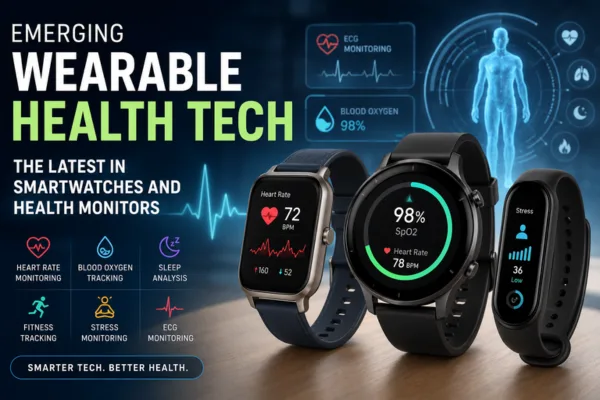
A few years ago, smartwatches were mostly about notifications, step counts, and checking calls without touching your phone. Now things are completely different. Today’s wearable devices can monitor your heart, analyze your sleep, track stress, measure blood oxygen levels, and even warn you about unusual health activity. That’s exactly why so many people are now searching for the best smartwatch for health tracking instead of just a regular smartwatch.
People want devices that actually improve daily life, not just look stylish on the wrist. Whether someone is trying to stay fit, sleep better, manage stress, or simply become more health-conscious, wearable health technology is becoming a real everyday companion.
The biggest change is that these devices now feel personal. They quietly collect health data in the background and turn it into useful advice you can actually understand and use.
Why Wearable Health Tech Is Growing So Fast
Health wearables became popular because people started caring more about preventive health. Instead of waiting until something feels wrong, users now want to track their wellness daily.
That’s where modern smartwatches come in.
The best smartwatch for health tracking can now do things that once required medical equipment or clinic visits. You can wake up, check your sleep score, monitor stress levels during work, track workouts in the evening, and even review heart trends before bed.
That level of convenience changed everything.
Another reason wearable health tech is growing fast is awareness. After recent global health concerns, more people became serious about monitoring their bodies regularly.
Smartwatches Are Becoming Personal Health Assistants
Modern smartwatches are no longer simple gadgets. They’ve slowly turned into mini health assistants.
Most premium devices now include:
- Heart rate monitoring
- ECG tracking
- Sleep analysis
- Blood oxygen monitoring
- Stress management tools
- Guided breathing sessions
- Workout recovery insights
The interesting part is how natural these features feel now. You don’t have to actively use them all day. The watch quietly collects information while you live your normal routine.
That’s why finding the best smartwatch for health tracking matters more today than ever before.
Heart Rate Tracking Has Become Smarter
Heart rate monitoring used to feel basic. Earlier smartwatches simply showed beats per minute during workouts.
Now the technology is much more advanced.
Modern wearables can track:
- Resting heart rate
- Workout heart zones
- Recovery speed
- Irregular heart rhythms
- Daily heart trends
Some smartwatches even send alerts when something unusual happens. For many users, that creates peace of mind.
Fitness enthusiasts also rely heavily on heart tracking because it helps improve workout efficiency without overtraining.
Sleep Tracking Is One of the Most Useful Features
Most people underestimate how important sleep is until they start tracking it properly.
This is where wearable technology became surprisingly useful.
The best smartwatch for health tracking doesn’t just tell you how long you slept. It breaks sleep into stages like:
- Deep sleep
- REM sleep
- Light sleep
- Wake periods
Some devices even show how stress, caffeine, or late-night screen time affects sleep quality.
A lot of users discover patterns they never noticed before. Maybe they sleep poorly after late workouts. Maybe stress affects recovery more than expected.
These insights make wearable tech feel genuinely helpful instead of gimmicky.
Stress Monitoring Is Becoming More Important
One of the newer trends in wearable health tech is stress tracking.
Modern life is stressful, and most people don’t realize how often their bodies stay under pressure throughout the day.
Smartwatches now analyze stress using:
- Heart rate variability
- Breathing patterns
- Activity levels
- Sleep quality
When stress rises, some devices suggest breathing exercises or short mindfulness sessions.
It sounds simple, but many users say these reminders actually help them slow down during busy days.
That’s another reason why the best smartwatch for health tracking is no longer just for fitness lovers. Even office workers and students benefit from these wellness features.
AI Is Making Wearables Feel Smarter
Artificial intelligence is quietly changing wearable health devices.
Earlier fitness trackers mostly collected data. Now they interpret it.
For example, your smartwatch might notice:
- Poor sleep for several days
- Elevated stress levels
- Reduced recovery
- Lower activity patterns
Instead of just showing numbers, the device gives suggestions like:
- Sleep earlier tonight
- Reduce workout intensity
- Take a short walk
- Practice breathing exercises
That personalized feedback makes wearable technology feel much more human and useful.
Smart Rings Are Also Entering the Market
While smartwatches dominate the wearable market, smart rings are becoming popular too.
People like smart rings because they’re:
- Smaller
- Lightweight
- Comfortable during sleep
- Less distracting
However, smartwatches still offer more features overall.
The best smartwatch for health tracking usually provides better fitness tracking, larger displays, app support, notifications, and workout analysis compared to smart rings.
Still, both categories are growing quickly.
Wearables Are Helping Different Types of Users
One reason wearable tech exploded in popularity is because it helps many different people.
Fitness Enthusiasts
Athletes use smartwatches for:
- Heart zone training
- Recovery monitoring
- Workout tracking
- Performance analysis
Busy Professionals
Office workers use them for:
- Stress management
- Sleep improvement
- Daily activity reminders
- Health awareness
Seniors
Older adults benefit from:
- Fall detection
- Emergency alerts
- Heart monitoring
- Medication reminders
Everyday Users
Even casual users enjoy simple benefits like:
- Better step tracking
- Sleep awareness
- Fitness motivation
- Health habit building
That wide appeal keeps pushing wearable technology forward.
What to Look for Before Buying a Smartwatch
Not every smartwatch is equally good for health tracking.
If someone wants the best smartwatch for health tracking, there are a few important things to check first.
Sensor Accuracy
Good sensors matter more than flashy design.
Battery Life
Frequent charging becomes annoying quickly. Longer battery life improves the experience.
Comfort
Since wearables stay on your wrist most of the day, comfort matters a lot.
Software Experience
A smartwatch should connect smoothly with apps and provide easy-to-read health insights.
Health Features
Look for features you’ll actually use regularly instead of marketing gimmicks.
The Future of Wearable Health Tech Looks Exciting
The next few years could completely change wearable healthcare.
Companies are already working on:
- Non-invasive glucose monitoring
- Better blood pressure tracking
- AI health assistants
- Smart clothing with sensors
- Advanced recovery analysis
Future wearables may even detect early illness signs before symptoms become noticeable.
That’s why the wearable health industry is growing so aggressively right now.
The best smartwatch for health tracking in the future may feel more like a personal health companion than just a gadget.
FAQs
What is the best smartwatch for health tracking?
The best smartwatch depends on your needs, but devices with accurate heart monitoring, sleep tracking, ECG, and strong battery life are usually the top choices.
Are smartwatch health readings accurate?
Premium smartwatches are generally accurate for heart rate, sleep, activity tracking, and blood oxygen monitoring.
Can a smartwatch detect heart problems?
Some advanced smartwatches can detect irregular heart rhythms and notify users about unusual patterns.
Is wearable health technology worth buying?
Yes, especially for people who want better awareness of sleep, fitness, stress, and overall wellness.
Are smart rings better than smartwatches?
Smart rings are more compact and comfortable for sleep, while smartwatches usually offer more complete health and fitness features.
Final Thoughts
Wearable health technology has moved far beyond simple fitness tracking. Smartwatches and health monitors are becoming smarter, more accurate, and more helpful every year. They help people understand their bodies better, improve daily habits, and stay more connected to their overall wellness.
As technology continues improving, the best smartwatch for health tracking will likely become an essential part of everyday life for millions of people around the world.
If you enjoyed this article, explore more on Gadget Scholar for the latest updates